

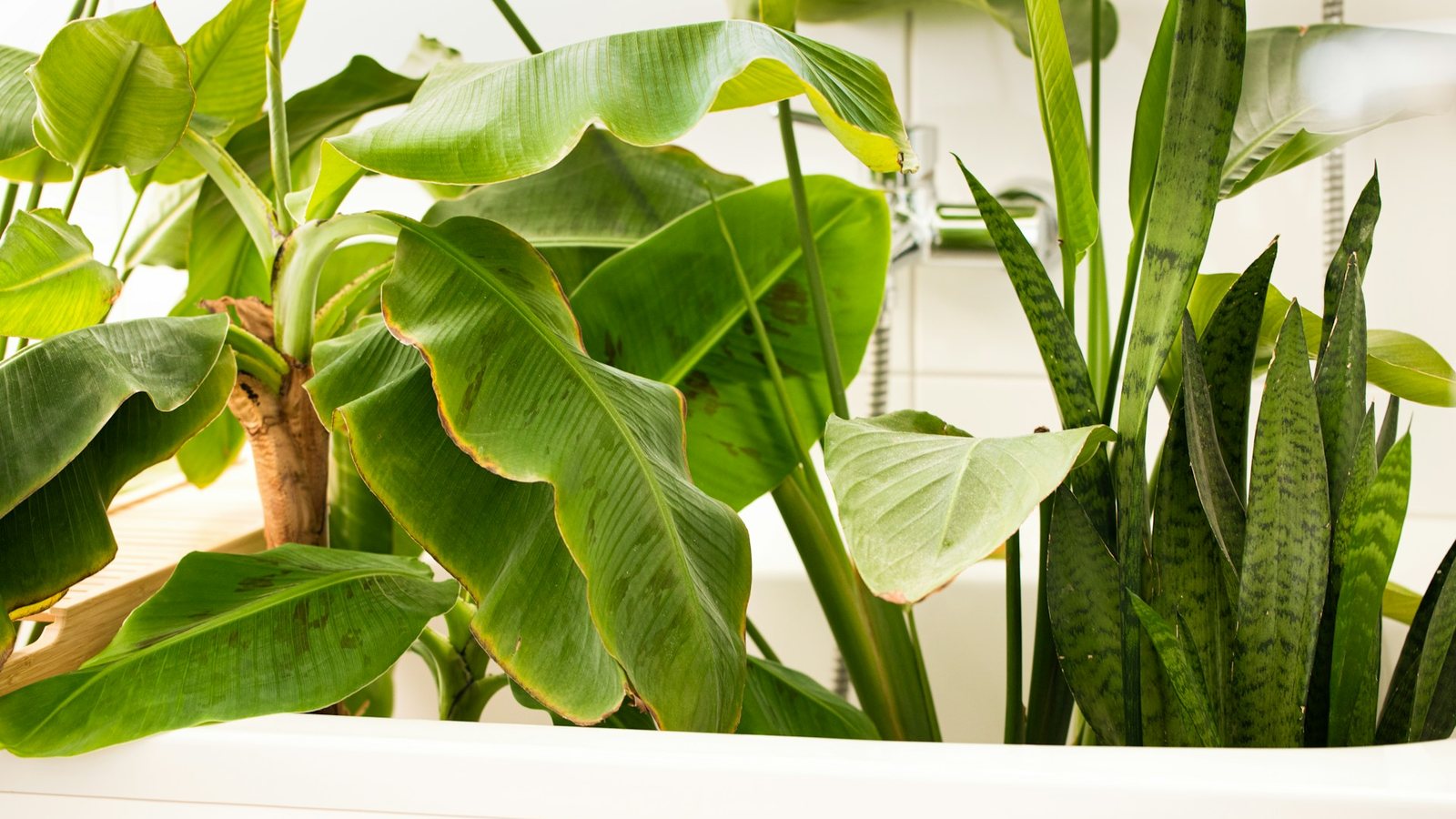
Humid tropical plants need air near 40 to 50 percent relative humidity and days between 65 and 75°F. Most heated homes miss the first target all winter, and many windowsills miss the second on cold nights.
Both numbers come from university extension guidance, and both are easy to check with a cheap digital hygrometer. Once you measure the air around your plants, most crisp edges and sudden leaf drops stop being a mystery.
What humid tropical plants need from a room
Most foliage plants sold as houseplants come from tropical forests, where the air rarely dries out and nights rarely turn cold. Indoors, you are trying to recreate two conditions with very different tools.
Humidity is the harder one. Iowa State University Extension says many houseplants prefer 40 to 50 percent relative humidity. In winter, the air in many homes holds only 10 to 20 percent.
Temperature is easier to manage. University of Illinois Extension puts the preferred daytime range for most foliage plants at 65 to 75°F, with slightly cooler nights. Trouble starts near cold glass, drafty doors, and heating vents.
| Condition | Target or threshold | Source |
|---|---|---|
| Relative humidity for many houseplants | 40–50% | Iowa State University Extension |
| Typical winter humidity in heated homes | 10–20% | Iowa State University Extension |
| Daytime temperature for most foliage plants | 65–75°F, nights slightly cooler | University of Illinois Extension |
| Calathea comfort range | 61–70°F (16–21°C) | Royal Horticultural Society |
| Damage risk for tropical foliage plants | Below about 50°F (10°C) | UF/IFAS Extension |
Reading tropical leaf plants for stress
Leaves show humidity and temperature problems before anything else does. The trick is knowing which leaves are built to cope and which are not.
Thin leaves lose water fastest
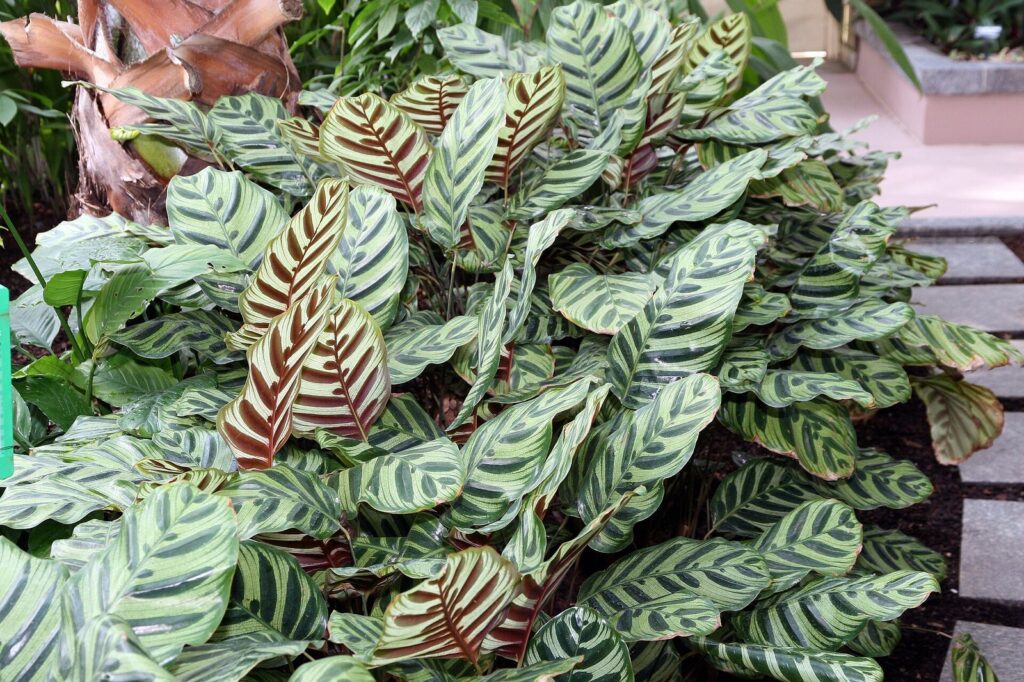
Thin, soft tropical leaf plants such as calatheas, ferns, and begonias grown as houseplants lose water quickly through their leaves. The Royal Horticultural Society says browning of calathea leaf tips and edges usually results from low humidity.
Thick, waxy leaves behave differently. A ZZ plant or a snake plant holds water in its tissue and shrugs off dry winter air for months.
Cold damage looks like water damage at first
Chilling injury rarely shows up the next morning as brown leaves. UF/IFAS Extension describes the first signs as rapidly wilting leaves and water-soaked patches. The browning appears later, once the plant warms up again.
That delay misleads people. A plant pressed against a cold window on Tuesday may only show dead patches on Friday.
Why it works
Chilling injury happens above freezing, so frost is not the warning sign. UF/IFAS Extension places the injury zone between 46 and 54°F, depending on species and exposure time. Brief exposure can heal, while long exposure leaves lasting damage.
How do you raise humidity for tropical plants indoors?
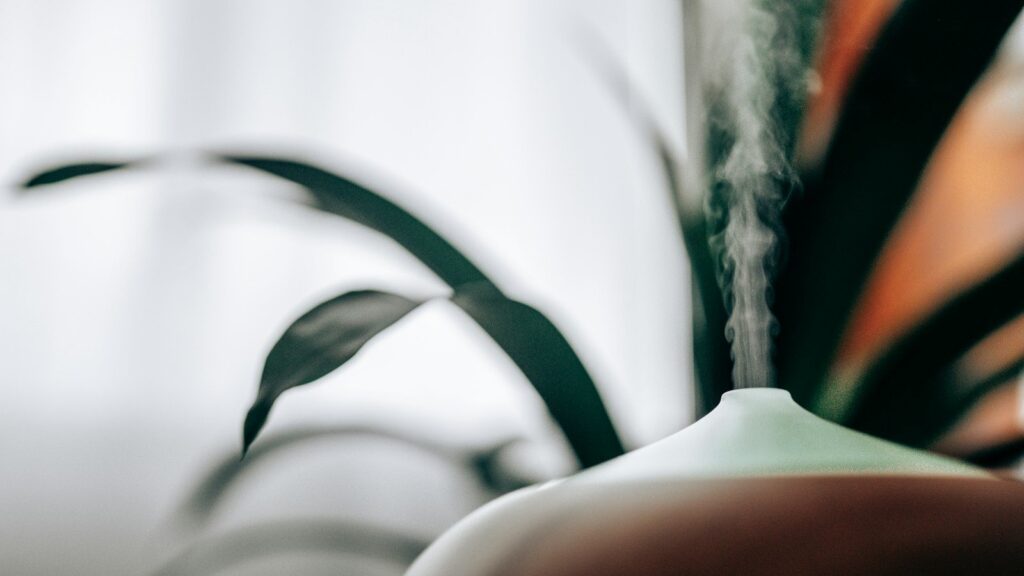
Use a room humidifier near the plants, group plants together, and set pots on trays of wet pebbles. Skip misting, because the extra moisture evaporates within minutes and does little for the air.
Extension services rank these methods fairly consistently. Iowa State University Extension calls humidifiers an excellent option and states plainly that misting does not work.
“Misting houseplants is not an effective way to raise the relative humidity.”
Iowa State University Extension
Here is how the common methods compare in practice:
- Room humidifier: the most dependable way to hold a room in the 40 to 50 percent band. Run it close to the plant group and check the hygrometer daily for the first week.
- Grouping plants: moisture released by soil and leaves raises humidity in the pocket between pots. This costs nothing and works best with several plants placed close together.
- Pebble trays: water evaporating from the tray adds a small local boost. Keep the pot base above the water line so roots do not sit wet.
- Bathrooms and kitchens: steam from daily use helps, but only if the room also has enough light.
- Misting: short-lived, and University of Illinois Extension warns that heavy misting can raise disease risk.
Caution
Do not chase humidity with standing water. Pots left in a flooded saucer suffocate roots, and leaves kept wet overnight invite fungal leaf spots. Raise the air moisture, not the soil moisture.
Keeping humid tropical plants above the chilling line
Temperature control is mostly about placement. Keep pots a hand’s width from winter glass and away from exterior doors. Heater and air conditioner vents should never blow straight onto leaves.
Summer outdoors brings the same rule in reverse. The Royal Horticultural Society says subtropical houseplants can go outside once nights stay above 10 to 12°C (50 to 54°F). Calatheas and marantas need nights of at least 15°C (59°F).
Start them in bright shade, the kind of spot that suits garden plants that like shade. Bring them back before the first cool spell, not after it. RHS guidance is to move plants indoors when nights are forecast to fall below 10°C (50°F).
Cool tropical plants for colder rooms
Some plants with a tropical look handle cooler rooms far better than calatheas. NC State Extension rates the cast-iron plant, Aspidistra elatior, for USDA Hardiness Zones 7a through 11b. It tolerates a chilly hallway that would scar a prayer plant.
The spider plant, Chlorophytum comosum, is one of the most forgiving tropical houseplants for beginners. NC State Extension advises keeping it above 45°F and rates it for USDA Zones 9a through 11b.
A weekly routine that keeps conditions steady
Steady conditions matter more than perfect ones. A plant kept at 45 percent every day usually looks better than one swinging between 30 and 70 percent.
Field note
Place the hygrometer at leaf height inside the plant group, not on a shelf across the room. A reading taken beside a heater or window can differ sharply from the air your plants actually sit in.
- Check the hygrometer at the same time each day for one week to learn your baseline.
- Refill the humidifier and pebble trays before they run dry.
- Feel the glass near each windowsill plant on cold nights and move pots that sit against it.
- Rotate thin-leaved plants away from heating vents when the furnace season starts.
- Trim fully browned leaf edges with clean scissors, following the leaf’s natural shape.
Once the numbers hold steady, new leaves will tell you whether it worked. Fresh growth that unfurls without brown edges is the clearest sign the room finally suits a tropical plant.
Questions & observations