

Foliage plant identification works best when you read the leaf in a fixed order. Check how it attaches to the stem first, then its shape and veins, then its color. That sequence narrows most unknown houseplants to a family or genus.
Most foliage plants rarely flower indoors. The leaf carries nearly all the evidence. The steps below apply the leaf traits taught in extension field guides to common houseplant groups.
Foliage Plant Identification Starts at the Stem
Before you judge shape, confirm what counts as one leaf. A photo of one leaflet from a compound leaf can send a plant app toward the wrong match. No later clue will fix that error.
Leaf or Leaflet
A true leaf grows from a node and has an axillary bud in the angle above its stalk. Leaflets lack that bud. Maria Morrow’s Photographic Atlas for Botany notes that the bud sits at the base of the whole compound leaf’s petiole instead.
The NDSU Extension Plant Identification Guide for Natural Systems, published in 2024, defines a simple leaf as an undivided blade. A compound leaf splits into leaflets on a shared axis, arranged along a central line (pinnate) or from one point (palmate).
Count the Leaves at Each Node
The NDSU guide lists five basic leaf arrangements. Look at a stretch of stem with several nodes and match it to one of these:
- Alternate: one leaf per node, staggered up the stem, as on a rubber plant (Ficus elastica).
- Opposite: two leaves facing each other at the same node, as on coleus.
- Whorled: three or more leaves sharing one node.
- Basal (rosette): leaves rising from soil level, typical of many bromeliads.
- Fascicled: tight bundles from a single point, more common on pines than on houseplants.
Coleus also has square stems, a trait shared across the mint family. Two clues that agree like this give you more confidence than one striking feature.
Read Leaf Shape, Veins, and Edges
Once the arrangement is clear, turn the leaf over and look at its vein pattern in raking light. Veins hold their pattern even when a leaf is pale, damaged, or smaller than the photos online.
Long, Strap-Shaped Leaves
Narrow leaves with veins running side by side usually point to a monocot. NDSU Extension describes grasses and grass-like plants as having parallel veins, while broadleaf plants typically show netted venation.
Indoors, that parallel pattern shows up in dracaenas, spider plants, and snake plants. Are the blades several times longer than wide? Compare them with our guide to long leafy plants, which groups strap-leaved and thick-leaved species.
Broad Leaves With Netted Veins
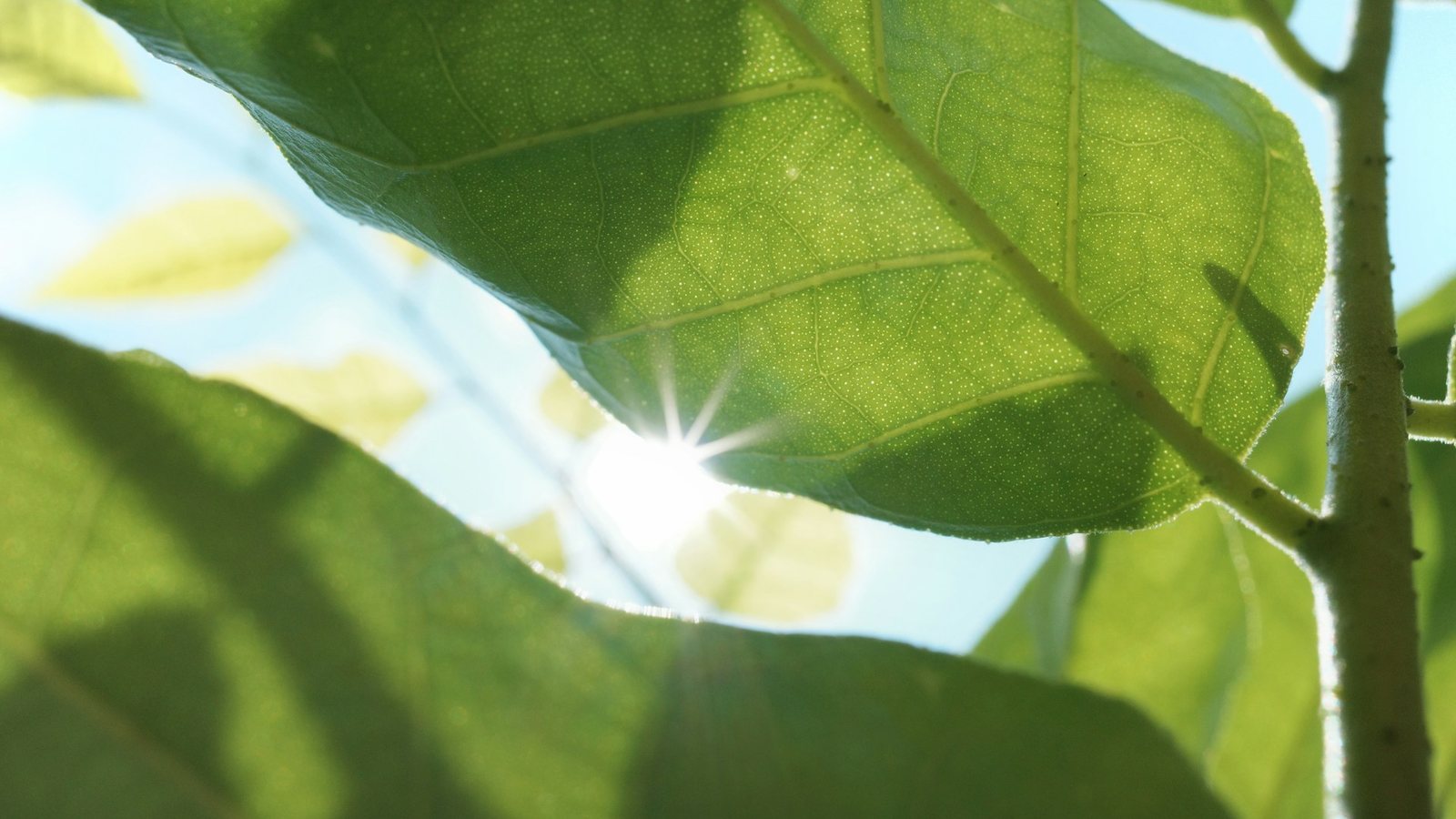
Netted veins either branch from a central midrib (pinnate) or spread from the leaf base like fingers (palmate). A fiddle-leaf fig shows bold pinnate veins. Many begonias carry palmate veins radiating from the top of the stalk.
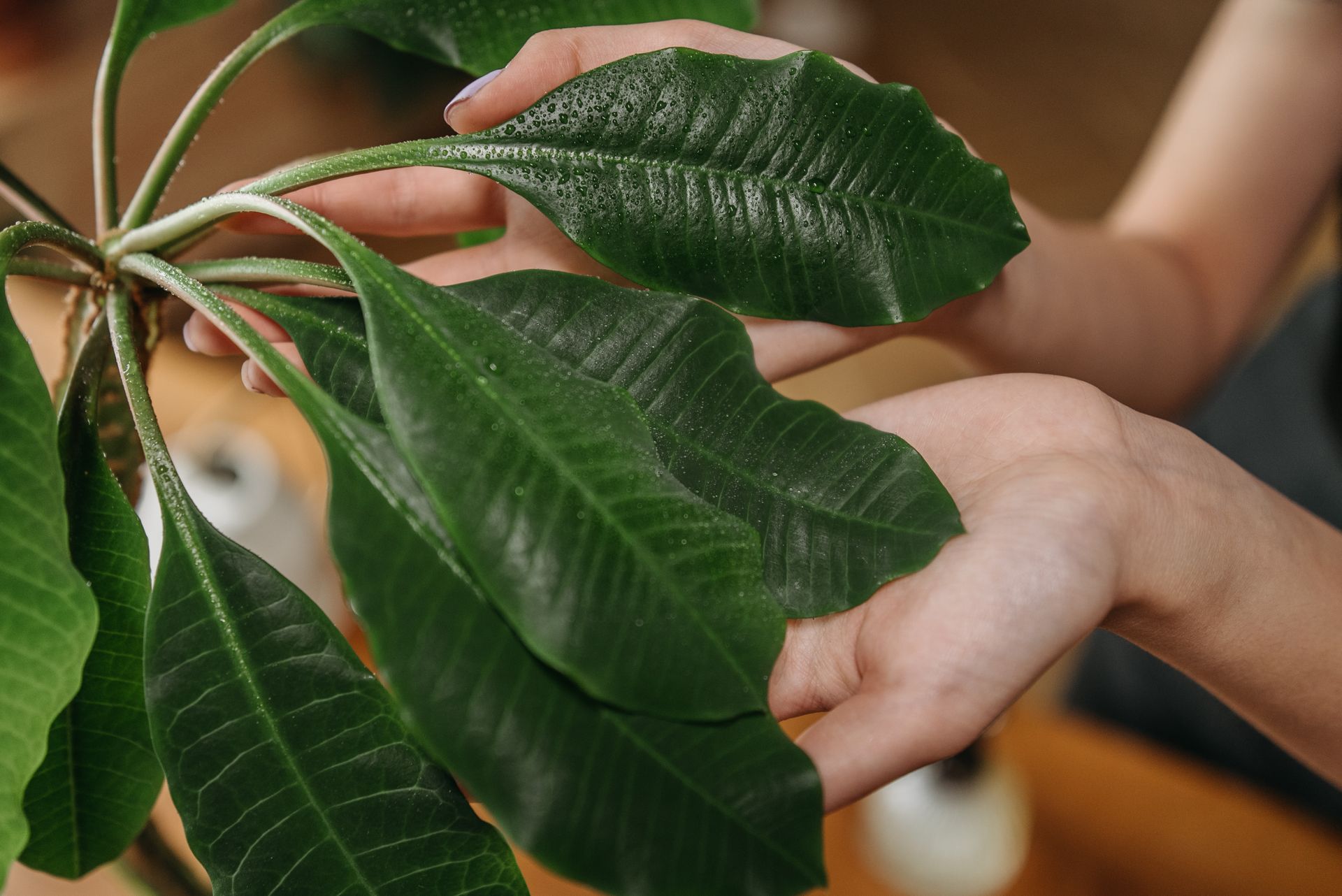
Aroids bend the monocot rule. Monstera, philodendron, and anthurium are monocots, yet their broad leaves often show a net of finer veins between the main ones. Treat venation as one clue and confirm it with shape and stem.
Margins and Lobes
NDSU separates entire, or smooth, margins from toothed ones. Serrate teeth point toward the leaf tip, while dentate teeth point outward. Lobed leaves have indentations that cut inward toward the midvein, as on a split-leaf philodendron.
Which Clues Separate Big-Leaf Genera?
Check where the leaf stalk joins the blade and which way the blade points. Those two traits separate the three genera sold as elephant ears far better than size or color.
Colocasia leaves are peltate, according to Susan Mahr of the University of Wisconsin-Madison. The petiole attaches near the center of the underside. Mahr adds that the blade is held perpendicular to the upright stalk.
Alocasia and Xanthosoma are usually not peltate and hold their leaves more upright. Clemson Cooperative Extension gives a faster check: colocasia leaf tips point down, alocasia tips point up.
Size misleads here, since Mahr notes cultivars range from 8 inches to over 9 feet tall. Our elephant ear plant profile covers zones, care, and native ranges for all three genera.
| Clue | Colocasia | Alocasia | Xanthosoma |
|---|---|---|---|
| Petiole attachment | Near center of underside (peltate) | Usually not peltate | At the base of the blade |
| Leaf habit | Blade perpendicular to stalk, tip points down | Held more upright, tip points up | Held more upright |
| Familiar example | Taro (C. esculenta) | African mask (A. × amazonica) | Malanga (X. sagittifolium) |
Use Color Patterns as the Last Clue
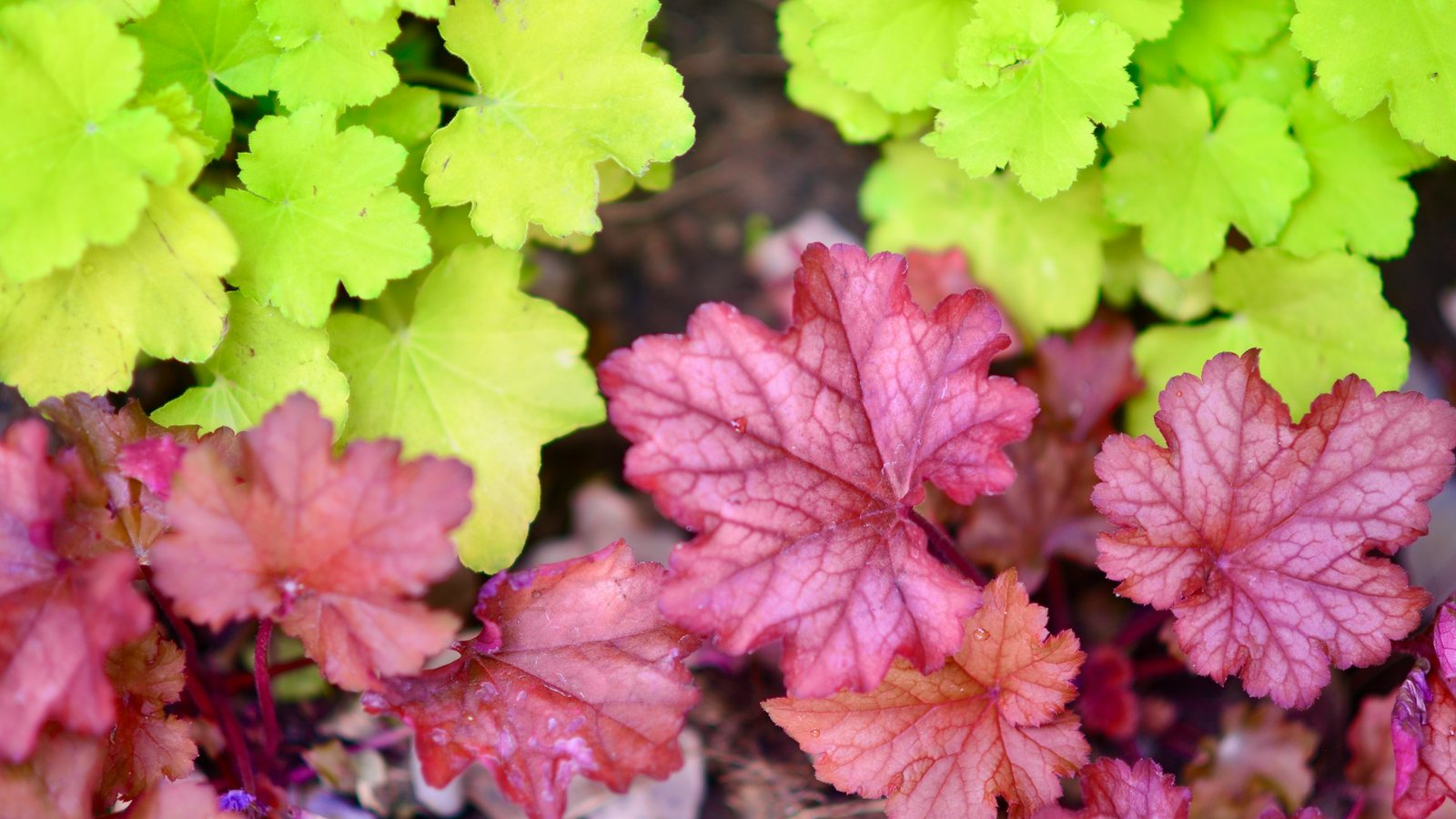
Color is the weakest trait for naming a genus. One species can come in plain green, white-edged, and splashed forms, because most patterned houseplants are cultivars selected within a single species.
Color still helps once you know the genus. Our explainer on variegated plant leaves traces edges, stripes, and silver patches to their causes. Some come from mutated cell layers, others from air spaces inside the leaf.
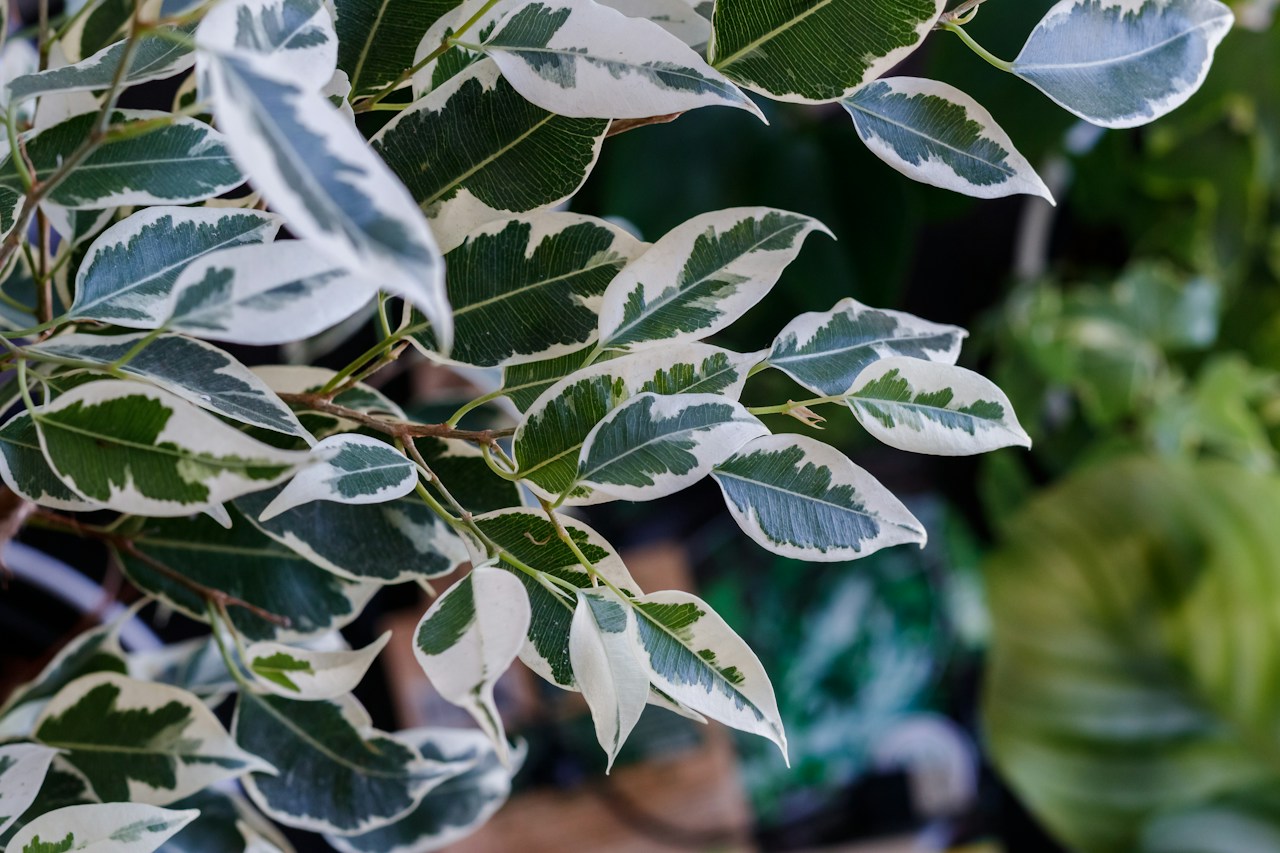
“The white areas of variegated leaves don’t contain any chlorophyll.”
Royal Horticultural Society, How plants use light to grow
The Royal Horticultural Society adds that a variegated plant reverting to all-green often signals low light. A plain shoot on a patterned plant does not mean you own two species. Name the plant from its patterned growth, which matches the cultivar photos.
Build a Leaf Record Before You Search
Plant apps and extension diagnostic services both return better answers from a complete record. Before you upload photos or contact a local extension office, write down these six traits:
- Arrangement at the node: alternate, opposite, whorled, basal, or fascicled.
- Simple or compound, with one photo that shows the axillary bud.
- Vein pattern: parallel, pinnate, or palmate.
- Margin type and any lobes.
- Petiole attachment point and leaf angle on large heart-shaped leaves.
- Color pattern on both new and mature leaves.
Toxicity is the practical reason to finish the job. The ASPCA lists Colocasia esculenta as toxic to dogs, cats, and horses because of insoluble calcium oxalates.
A leaf record turns a vague photo search into a short list of candidates you can check one by one. Which of the six traits on your unknown plant is still the hardest to read?
Questions & observations